Probate Properties at Auction: Opportunities and Challenges
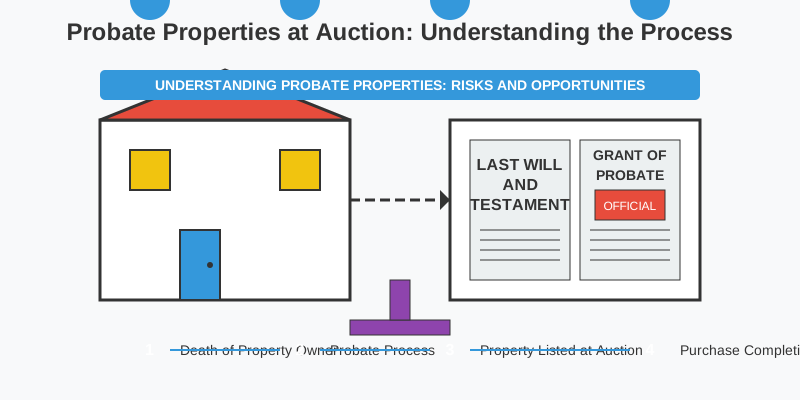
Probate properties represent a significant segment of the UK auction market, often offering excellent value for investors willing to navigate their unique complexities. This comprehensive guide explores the probate process, the opportunities these properties present, and the specific challenges investors should be prepared to address when considering probate property acquisitions at auction.
Understanding Probate Properties
Probate properties are those being sold as part of the administration of a deceased person's estate. When someone dies, their assets (including property) must go through the probate process before they can be distributed to beneficiaries or sold. This process involves:
- Identifying and valuing all assets in the estate
- Paying any outstanding debts and taxes
- Distributing the remaining assets according to the will or intestacy rules
The legal representatives of the estate (executors or administrators) often choose to sell properties through auction for several reasons:
- Speed: Auctions offer a defined timeline for sale
- Transparency: The open bidding process demonstrates that the best price was achieved
- Certainty: Once the hammer falls, the sale is legally binding
- Condition: Properties that require modernization or renovation are well-suited to auction
The Probate Timeline and Process
Understanding the probate timeline is crucial for investors interested in these properties:
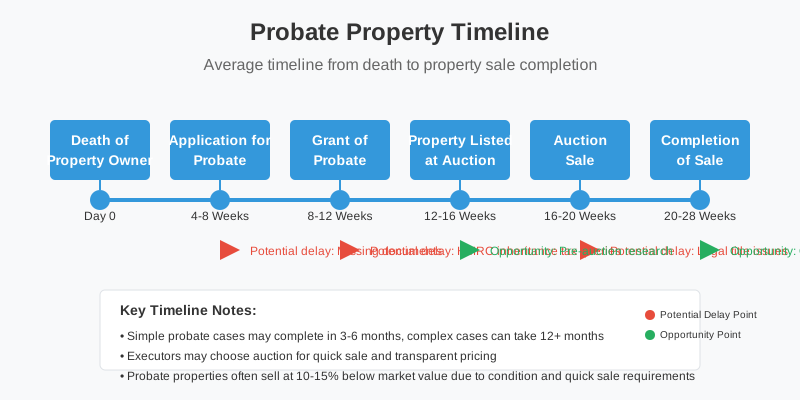
Figure 1: Typical timeline for probate property sales
As the timeline illustrates, the probate process typically takes 3-6 months from death to the property being listed at auction, though complex estates can take significantly longer. This extended timeline creates both challenges and opportunities for investors.
Grant of Probate
The Grant of Probate (or Letters of Administration if there is no will) is the legal document that gives the executors or administrators the authority to deal with the deceased's assets. This document is essential for the legal transfer of property ownership.
From an investor's perspective, it's important to verify that:
- The Grant of Probate has been obtained before bidding
- The executors have the legal authority to sell the property
- Any conditions in the will regarding the property have been addressed
Opportunities in Probate Property Auctions
Probate properties offer several distinct advantages for auction buyers:
Value Opportunities
Probate properties often sell for 10-15% below market value for several reasons:
- Condition: Many probate properties have been occupied by elderly owners and may not have been updated for decades
- Executor motivation: Executors are typically motivated to achieve a timely sale rather than maximizing price
- Limited marketing: Some probate properties receive less comprehensive marketing than standard sales
- Cash buyer preference: Executors often prefer cash buyers to minimize complications
Reduced Competition
The legal complexities and condition issues associated with probate properties can deter some buyers, reducing competition at auction. This is particularly true for properties that:
- Require significant modernization
- Have unusual legal circumstances
- Are located in less desirable areas
Value-Add Potential
Many probate properties offer excellent opportunities for adding value through:
- Modernization: Updating dated décor, kitchens, and bathrooms
- Reconfiguration: Adapting layouts to modern living preferences
- Extension: Adding space where planning permission allows
- Energy efficiency improvements: Upgrading insulation, heating systems, and windows
Challenges and Risks
While probate properties offer opportunities, they also present specific challenges:
Legal Complexities
Probate sales involve additional legal considerations:
- Title issues: Older properties may have unresolved title problems
- Executor authority: All executors must agree to the sale
- Beneficiary disputes: Disagreements among beneficiaries can delay or derail sales
- Missing documentation: Older properties may lack necessary certificates or permissions
Condition Uncertainty
Probate properties often present condition challenges:
- Limited disclosure: Executors may have limited knowledge about the property
- Restricted access: Viewing opportunities may be more limited than with standard sales
- Outdated systems: Electrical, plumbing, and heating systems may require complete replacement
- Hidden issues: Long-term neglect can mask serious structural problems
Completion Timeframes
While auction sales typically complete within 28 days, probate sales can face additional delays:
- Tax clearance: HMRC inheritance tax issues must be resolved
- Multiple executor signatures: Coordinating multiple executors can delay completion
- Court applications: In some cases, court approval may be required for the sale
Probate Properties vs Other Auction Opportunities
How do probate properties compare to other common auction property types?
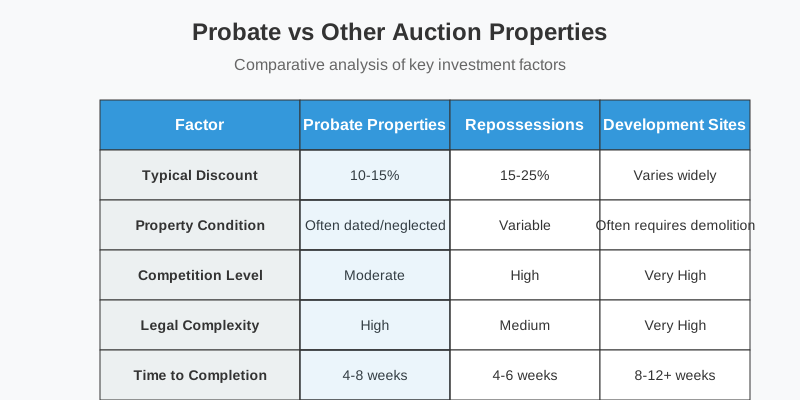
Figure 2: Comparative analysis of probate properties vs other auction property types
As the comparison illustrates, probate properties occupy a middle ground in terms of discount and competition, while presenting higher legal complexity than repossessions but lower than development sites.
Due Diligence for Probate Properties
Thorough due diligence is essential when considering probate properties:
Legal Checks
Before bidding, ensure your solicitor reviews:
- Grant of Probate: Confirm it has been issued and the executors have authority to sell
- Title documents: Check for restrictions, covenants, or easements
- Special conditions: Review auction legal pack for unusual conditions
- Inheritance tax: Verify that any inheritance tax liability has been addressed
Property Inspection
Given the condition uncertainties, consider:
- Professional survey: A full structural survey is advisable
- Specialist inspections: Consider electrical, damp, and timber surveys
- Builder assessment: Get renovation costs estimated before bidding
- Multiple viewings: Visit at different times if possible
Financial Preparation
Ensure you have:
- 10% deposit: Available on auction day
- Completion funds: Secured and available within 28 days
- Renovation budget: Including a 15-20% contingency
- Holding costs: Budget for the property being empty during works
Case Study: Victorian Terrace Probate Acquisition
A recent probate property acquisition in Bristol demonstrates the potential:
- Property: 3-bedroom Victorian terrace in Bedminster, Bristol
- Auction guide price: £220,000
- Purchase price: £245,000
- Estimated market value (pre-renovation): £280,000
- Renovation costs: £45,000 (full modernization)
- Post-renovation value: £350,000
- Profit: £60,000 (excluding purchase and selling costs)
- ROI: 21%
Key factors in this successful project included:
- Thorough legal due diligence revealing no title issues
- Comprehensive building survey identifying all major issues
- Accurate renovation costing with appropriate contingency
- Efficient project management minimizing holding costs
Strategies for Success with Probate Properties
To maximize your chances of success with probate properties:
Build a Specialized Team
Work with professionals experienced in probate transactions:
- Solicitor: With specific probate property experience
- Surveyor: Experienced in assessing older properties
- Mortgage broker: Familiar with auction financing (if not purchasing with cash)
- Builder: Able to provide accurate renovation quotes quickly
Develop Relationships with Auction Houses
Auction houses often have advance knowledge of probate properties coming to market:
- Attend auctions regularly to build relationships
- Register interest in specific property types
- Consider private treaty purchases before properties reach auction
Prepare Financially
Having funds readily available gives you an advantage:
- Arrange financing before identifying specific properties
- Consider bridging loans for quick purchases
- Maintain a renovation contingency fund
Conclusion
Probate properties at auction represent a significant opportunity for investors willing to navigate their unique challenges. The combination of potential value discounts, reduced competition, and value-add potential makes them particularly attractive in a competitive market.
Success with probate properties requires thorough due diligence, appropriate risk management, and a clear understanding of the legal framework. Investors who develop expertise in this niche can build a profitable strategy around identifying and acquiring probate properties with strong potential returns.
As with all property investments, the key lies in thorough research, careful property selection, and realistic assessment of both costs and potential. For those willing to put in the work, probate properties can offer some of the best value opportunities in the UK auction market.
Get every UK auction lot, every week
7,000+ live lots from 25+ auction houses: guide prices, yields, and investor angles in one filterable Excel report.
Need finance for a lot?
We are selecting a bridging partner for auction buyers. Leave your email and we will introduce you the moment it is live.
Monday auction briefing
New lots, guide-price cuts and market signals worth watching.
By joining, you ask us to send this property briefing. Unsubscribe any time. Privacy.