Auction Property Insurance Guide: Essential Coverage Considerations
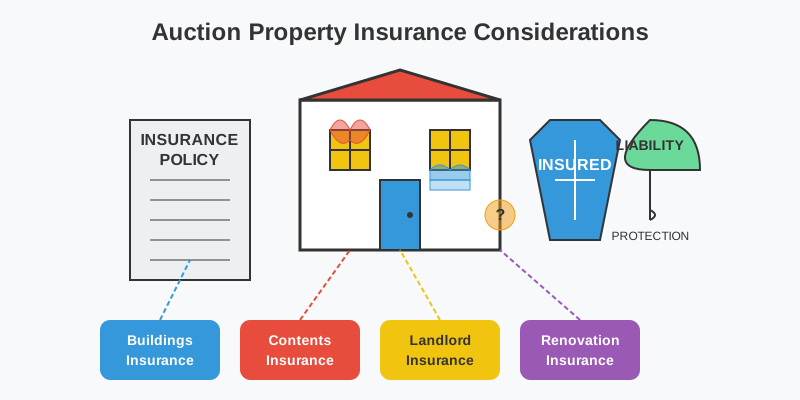
Insurance is a critical yet often overlooked aspect of auction property investment. From the moment the hammer falls to the completion of your investment strategy, appropriate insurance coverage protects your asset and limits your liability. This comprehensive guide explores the unique insurance considerations for auction properties across different scenarios, helping you secure the right coverage at the right time.
Understanding the Unique Insurance Challenges of Auction Properties
Auction properties present several distinct insurance challenges compared to properties purchased through traditional channels:
- Immediate liability: You become legally responsible for the property from the moment the hammer falls
- Condition uncertainty: Limited viewing opportunities may mean discovering issues after purchase
- Vacancy periods: Many auction properties remain unoccupied during renovation or while seeking tenants
- Changing use: Properties often transition between different uses (vacant, under renovation, tenanted)
- Non-standard construction: Many auction properties feature unusual or period construction methods
These factors require careful consideration when arranging insurance to ensure you have appropriate coverage throughout your ownership journey.
Insurance Requirements at Different Stages
The insurance needs of auction properties evolve through different stages of ownership:
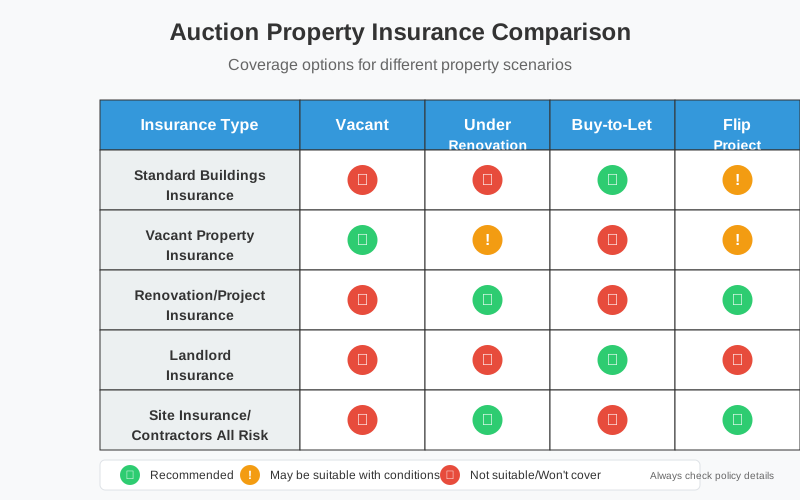
Figure 1: Insurance type comparison for different auction property scenarios
Between Auction and Completion
The period between winning the auction and completing the purchase (typically 28 days) presents a unique insurance situation:
- Legal responsibility: You're responsible for the property from the fall of the hammer
- Contract requirements: Most auction contracts require you to insure the property immediately
- Limited access: You may not have keys or full access until completion
During this period, you need:
- Buildings insurance: To cover the reinstatement value of the property
- Public liability insurance: To protect against third-party claims if someone is injured on the property
Many standard insurers won't cover properties during this pre-completion period, so specialist auction insurance is often required.
Vacant Property Period
Many auction properties remain vacant while awaiting renovation or tenants:
- Standard policies inadequate: Most regular buildings insurance policies limit vacant periods to 30-60 days
- Increased risks: Vacant properties face higher risks of vandalism, theft, water damage, and fire
- Inspection requirements: Insurers typically require regular property inspections
For vacant properties, you need:
- Specialist vacant property insurance: Designed for unoccupied buildings
- Enhanced security measures: May be required by insurers (boarding, alarms, regular inspections)
- Flexible policy terms: Ability to convert to standard coverage when occupancy begins
Renovation Period
During renovation, standard buildings insurance is usually insufficient:
- Structural work: May invalidate standard policies
- Contractor activities: Introduce additional risks and liabilities
- Changing property value: Value increases as improvements are made
For renovation projects, consider:
- Renovation insurance: Specifically designed for properties undergoing work
- Contractors All Risk (CAR) insurance: Covers building works, materials, and associated liabilities
- Non-negligence insurance: Protects against damage to neighboring properties
- Employer's liability: Required if directly employing workers on site
Rental Period
Once the property is tenanted, your insurance needs change again:
- Standard buildings insurance: Insufficient for rental properties
- Tenant activities: Introduce additional risks
- Rental income protection: Important for investment properties
For rental properties, you need:
- Landlord insurance: Specifically designed for rental properties
- Rent guarantee insurance: Optional coverage for tenant default
- Contents insurance: For any furnishings you provide
- Liability coverage: Enhanced protection against tenant claims
Key Risk Factors Affecting Insurance
Several factors significantly impact insurance availability and cost for auction properties:
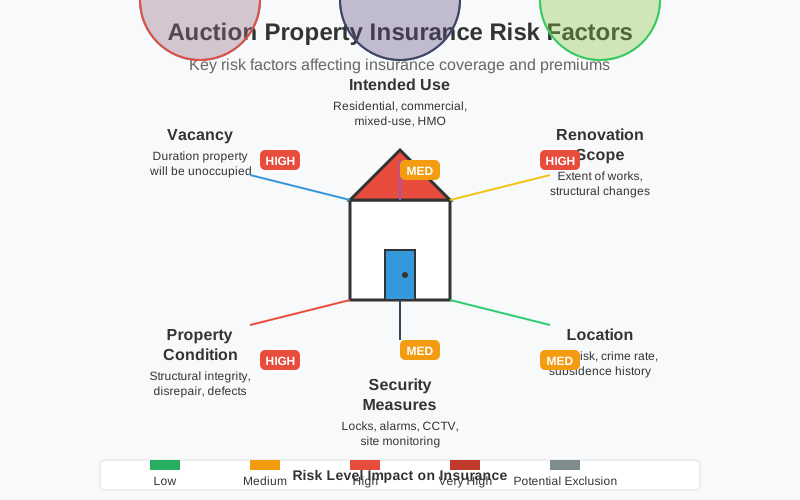
Figure 2: Key risk factors affecting auction property insurance coverage and premiums
Property Condition
The physical condition of auction properties often presents insurance challenges:
- Structural issues: Subsidence, settlement, or movement history may lead to exclusions or premium increases
- Outdated systems: Old electrical, plumbing, or heating systems may require upgrading before coverage
- Non-standard construction: Timber frame, thatched roof, cob, or other non-standard materials often require specialist insurers
- Previous damage: History of flooding, fire, or other significant claims may affect insurability
Always disclose the full condition of the property to insurers, as non-disclosure can invalidate policies.
Location Factors
The property's location significantly impacts insurance risk assessment:
- Flood risk: Properties in flood zones face higher premiums or coverage limitations
- Subsidence risk: Areas with clay soils or mining history may have subsidence exclusions
- Crime rates: High crime areas may require additional security measures
- Proximity to water: Coastal properties or those near rivers may have specific exclusions
Research these factors before bidding, as they can significantly impact insurance costs and availability.
Intended Use
How you plan to use the property affects the type of insurance required:
- Residential vs. commercial: Different policy types with varying costs
- Single occupancy vs. HMO: HMOs require specialist insurance with higher premiums
- Short-term lets vs. long-term tenancies: Different risk profiles and coverage requirements
- Owner-occupied vs. investment: Different liability considerations and coverage options
Be clear about your intended use when arranging insurance, as using the property differently than declared can invalidate coverage.
Renovation Scope
The extent of planned renovations impacts insurance requirements:
- Cosmetic updates: May be covered under standard policies with notification
- Structural alterations: Require specialist renovation insurance
- Extensions or conversions: Need comprehensive project insurance
- Listed building works: Require specialist heritage property coverage
Always inform insurers of planned works before starting, as undisclosed renovations can void your policy.
Specialist Insurance Products for Auction Properties
Auction Purchase Insurance
Designed specifically for the period between auction and completion:
- Key features: Immediate cover from hammer fall, flexible terms, liability protection
- Typical cost: £150-£300 for 28 days
- Providers: Renovation Plan, PropertyProtect, Renovation Insurance Brokers
Vacant Property Insurance
Specialized coverage for unoccupied properties:
- Key features: Flexible duration, adjustable security requirements, liability coverage
- Typical cost: 25-50% higher than standard buildings insurance
- Providers: Adrian Flux, HomeProtect, Towergate
Renovation Insurance
Comprehensive coverage for properties undergoing works:
- Key features: Covers existing structure, works in progress, materials, and liability
- Typical cost: 0.5-1.5% of the combined property and works value
- Providers: CovéaRisk, Renovation Underwriting, Zurich
Specialist Landlord Insurance
Tailored for rental properties with enhanced protections:
- Key features: Malicious damage by tenants, loss of rent, enhanced liability
- Typical cost: 15-30% higher than standard buildings insurance
- Providers: Direct Line for Business, AXA, Aviva
Common Insurance Pitfalls and How to Avoid Them
Inadequate Coverage During Transitions
Many investors face coverage gaps when properties transition between states:
- The pitfall: Standard policy expires when renovation begins or property becomes vacant
- The solution: Use flexible policies designed for property developers with transition provisions
- Best practice: Notify insurers of any change in property status at least 14 days in advance
Underinsurance
A common and costly mistake:
- The pitfall: Insuring for market value rather than rebuilding cost
- The solution: Obtain professional reinstatement cost assessments, especially for period properties
- Best practice: Update valuations annually and after significant improvements
Non-Disclosure of Material Facts
Failing to disclose relevant information can void coverage:
- The pitfall: Not declaring known issues, planned works, or previous claims
- The solution: Full disclosure of all material facts, even if it increases premiums
- Best practice: Document all communications with insurers and keep survey reports
Inadequate Security Measures
Security requirements are often stricter for auction properties:
- The pitfall: Not implementing required security measures specified in the policy
- The solution: Review and comply with all security conditions in the policy
- Best practice: Document compliance with photographs and receipts for installations
Cost-Effective Insurance Strategies
Broker vs. Direct Insurer
For auction properties, specialist brokers often provide better value:
- Broker advantages: Access to specialist markets, experience with non-standard properties, tailored advice
- Direct insurer advantages: Sometimes cheaper for standard properties, simpler process
- Recommendation: Use brokers for vacant, renovation, or non-standard construction properties
Policy Flexibility
Look for policies that can adapt to your property's changing status:
- Convertible policies: Allow transition from vacant to renovation to standard coverage
- Adjustable coverage: Can increase as property value rises during renovation
- Multiple property policies: Portfolio coverage for investors with multiple auction properties
Risk Mitigation Measures
Implementing these measures can reduce premiums:
- Enhanced security: Approved alarm systems, security doors, window locks
- Regular inspections: Documented weekly or monthly property checks
- Utilities management: Draining water systems in vacant properties, maintaining minimal heating
- Professional contractors: Using qualified tradespeople with their own insurance
Case Study: Comprehensive Insurance Strategy for an Auction Property
Consider this example of effective insurance planning for an auction property journey:
An investor purchased a vacant three-bedroom Victorian terrace at auction for £180,000, planning to renovate and convert it to an HMO before renting to young professionals.
Stage 1: Auction to Completion (28 days)
- Coverage: Specialist auction purchase insurance
- Cost: £220 for 28 days
- Key features: Immediate cover from hammer fall, liability protection, flexible security requirements
Stage 2: Vacant Property (2 months while planning renovation)
- Coverage: Unoccupied property insurance
- Cost: £450 for 3 months
- Key features: Weekly inspection requirement, enhanced security conditions, liability coverage
Stage 3: Renovation Period (4 months)
- Coverage: Renovation insurance including Contractors All Risk
- Cost: £1,200 for 6 months (allowing for potential delays)
- Key features: Coverage for existing structure, works, materials, and public liability
Stage 4: HMO Rental (Ongoing)
- Coverage: Specialist HMO landlord insurance
- Cost: £850 per year
- Key features: Malicious damage coverage, loss of rent protection, enhanced liability for multiple occupants
This staged approach ensured appropriate coverage throughout the property's journey while avoiding unnecessary premium costs.
Conclusion
Insurance for auction properties requires careful planning and a nuanced understanding of the changing risks throughout your investment journey. Standard insurance products rarely provide adequate coverage for the unique challenges these properties present.
By implementing a strategic approach to insurance—securing appropriate coverage for each stage of ownership and proactively managing risk factors—you can protect your investment while controlling costs. Remember that the right insurance is not merely a legal requirement but a fundamental component of successful risk management in property investment.
Work with specialists who understand auction properties, be transparent about your plans and the property's condition, and regularly review your coverage as your property evolves. With this approach, you can ensure your auction property investment remains protected against the unexpected while maximizing your returns.
Get every UK auction lot, every week
7,000+ live lots from 25+ auction houses: guide prices, yields, and investor angles in one filterable Excel report.
Need finance for a lot?
We are selecting a bridging partner for auction buyers. Leave your email and we will introduce you the moment it is live.
Monday auction briefing
New lots, guide-price cuts and market signals worth watching.
By joining, you ask us to send this property briefing. Unsubscribe any time. Privacy.